The short answer
Plan wash day around your scalp, hair texture, styling habits and available time. There is no single schedule for everyone; choose products and steps you can use consistently according to their instructions.
Start with your calendar, not a universal schedule
A wash day has to coexist with your work, exercise, family commitments, and the time your hair takes to dry. A routine that looks effortless on someone else's schedule may be awkward on yours. Before buying another collection, write down when your hair feels ready for washing and when you have enough time to handle it comfortably.
There is no single wash schedule for every hair texture and scalp. The American Academy of Dermatology advises adjusting washing to how dirty or oily hair becomes. Treat this guide as an organizational and shopping framework, not a prescription for a scalp condition. Persistent itching, discomfort, or unexpected changes deserve professional attention.
Give shampoo a focused role
Choose a shampoo for the job you need rather than the largest collection of claims. You might prioritize a format that dispenses easily in the shower, a fragrance preference, or compatibility with a color service. Check the manufacturer's directions and, where relevant, your stylist's advice about care after that service. A matching bottle design is not evidence that every product is necessary.
Think about where you apply products and how much of the routine they require. The AAD's general hair-care advice focuses shampoo on the scalp. Avoid adding extra washing steps simply because you have bought more products. A clarifying product or specialized treatment should have a clear reason to be present and should be used according to its own instructions.
Choose conditioner for handling and finish
A conditioner should fit the way you detangle and the finish you enjoy. Read whether it is intended to rinse out or stay in; similar-looking bottles can serve different purposes. Consider the amount you will actually use across your hair's length. A tiny luxury container may be an inconvenient choice if you routinely need more product than it comfortably supplies.
The AAD recommends conditioner after washing, with application adapted to hair type and length. Use that as a general starting point rather than an excuse to add every mask in the aisle. If your current conditioner gives you the handling you want, a weekly mask may be an optional pleasure rather than the missing key to a proper routine.
Arrange the drying step before you begin
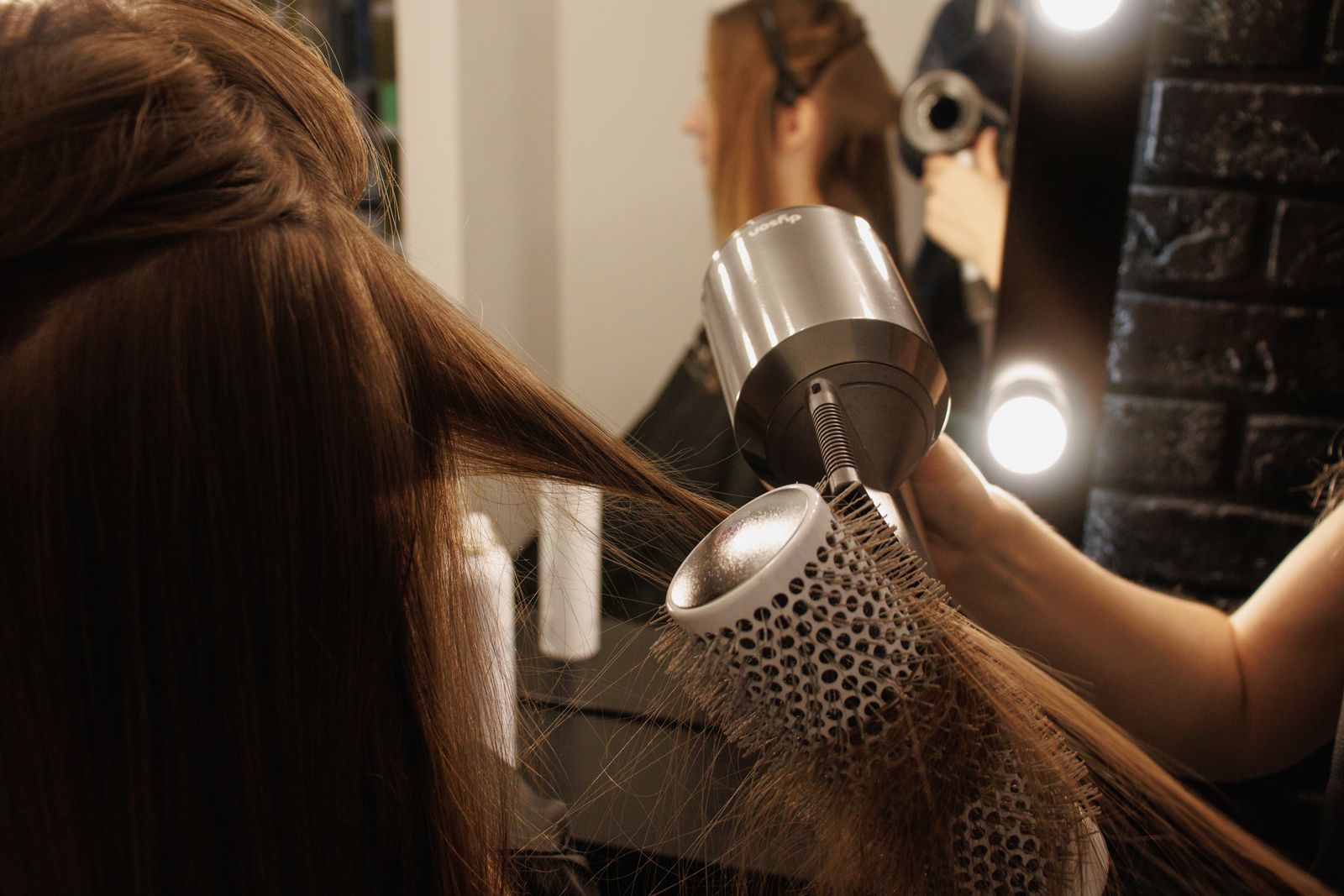
Put your towel, comb, styling product, and any dryer attachment where you can reach them. A wash routine can become frustrating because the tools are scattered, not because the formulas are inadequate. Consider whether you prefer air-drying, a shorter styling session, or a more deliberate finish, and leave enough time for that choice.
Handle wet hair gently and follow instructions for your products and tools. If heat is involved, the AAD advises limiting excessive heat and using a protective product. A more powerful dryer is not automatically a better purchase for every routine. Controls, weight, attachment fit, and the ease of reaching the buttons can affect how useful it feels.
Buy one improvement at a time
Name the part of wash day that causes the most friction: a conditioner that is difficult to dispense, a towel that does not stay in place, or a styling sequence that takes too long. Shop for that problem first. A whole new product family may look coherent but make it harder to tell which change was helpful.
Compare replacement cost and realistic consumption. Large bottles can make sense for a familiar shampoo, while an unfamiliar treatment is a better candidate for a smaller first purchase. Keep notes about combinations you like. Once wash day fits your week, you do not need to reinvent it every time a new hair-care trend appears.
Before you buy
- Choose wash times that allow for drying.
- Assign shampoo and conditioner distinct roles.
- Lay out tools before stepping into the shower.
- Solve one inconvenience before buying a complete collection.
Continue your research
These official-brand starting points are for browsing the relevant category. Compare the current details against your checklist; inclusion is not a claim that every item suits you.
Explore Briogeo haircare ↗Explore ghd hair tools ↗Non-affiliate links. Prices, ingredients, stock and terms are set by the merchant. Check the current product page and label.
Your questions, considered
Do shampoo and conditioner need to match?
They do not need matching packaging. Consider intended use, compatibility with your care needs, and whether each product performs the role you want.
Is a hair mask compulsory?
No. Decide whether it offers a useful experience beyond your conditioner, and follow its directions rather than adding it solely to complete a routine.
Sources & further reading
Prepared October 27, 2026. Sources support general background; the shopping judgments are editorial. For persistent symptoms or individual health advice, consult a qualified clinician.
Something to clarify? Send a correction or a question. Read our editorial standards.