The short answer
Use texture as a starting point: compare how a gel, lotion or cream feels in your own routine, then check directions and suitability. A texture name alone does not establish how every formula will perform.
Compare your options
These are shopping considerations, not product test results. Individual formulas and directions vary.
| Texture to compare | Practical reason to try it | What to check |
|---|---|---|
| Gel | You prefer a lighter-feeling layer | Comfort after it dries; compatibility with your sunscreen |
| Lotion | You want a spreadable everyday texture | Packaging, amount used and whether it feels sufficient |
| Cream | You prefer a richer-feeling layer | Finish, ease of application and how your skin responds |
Begin with the moment you want to improve
Moisturizer shopping becomes easier when you start with an ordinary moment: applying makeup before work, washing your face after a late dinner, or finding that your cheeks feel dry halfway through the day. A product needs to fit that moment, not simply look impressive on the shelf. Describe the finish and handling you want before comparing ingredient claims.
This guide does not assign one texture to every person with a particular skin type. Preferences and needs vary, and a clinician can help when discomfort or a skin condition is involved. Treat a product description as a starting point, then use its directions and your own experience to decide whether it belongs in your routine.
Use texture as a practical filter
A gel often appeals to shoppers who prefer a lighter-feeling finish; a lotion can feel convenient for spreading over a larger area; a cream may offer the richer experience someone wants at night. These are shopping descriptions, not promises about how every formula behaves. Products with the same format name can differ considerably in feel.
For dry skin, the American Academy of Dermatology suggests considering creams or ointments over lighter lotions. If that is your concern, make texture and fragrance-free labeling part of your shortlist. Avoid assuming that an elaborate ingredient list is inherently better. A useful formula is one you can tolerate and use according to its intended purpose.
Think about what goes before and after
A morning moisturizer may need to sit comfortably beneath sunscreen and makeup. An evening moisturizer may have a simpler job. If you dislike the combination of several rich layers, evaluate the routine as a whole before deciding that every product needs replacing. Keep sunscreen application aligned with its own instructions rather than changing the amount to accommodate makeup.
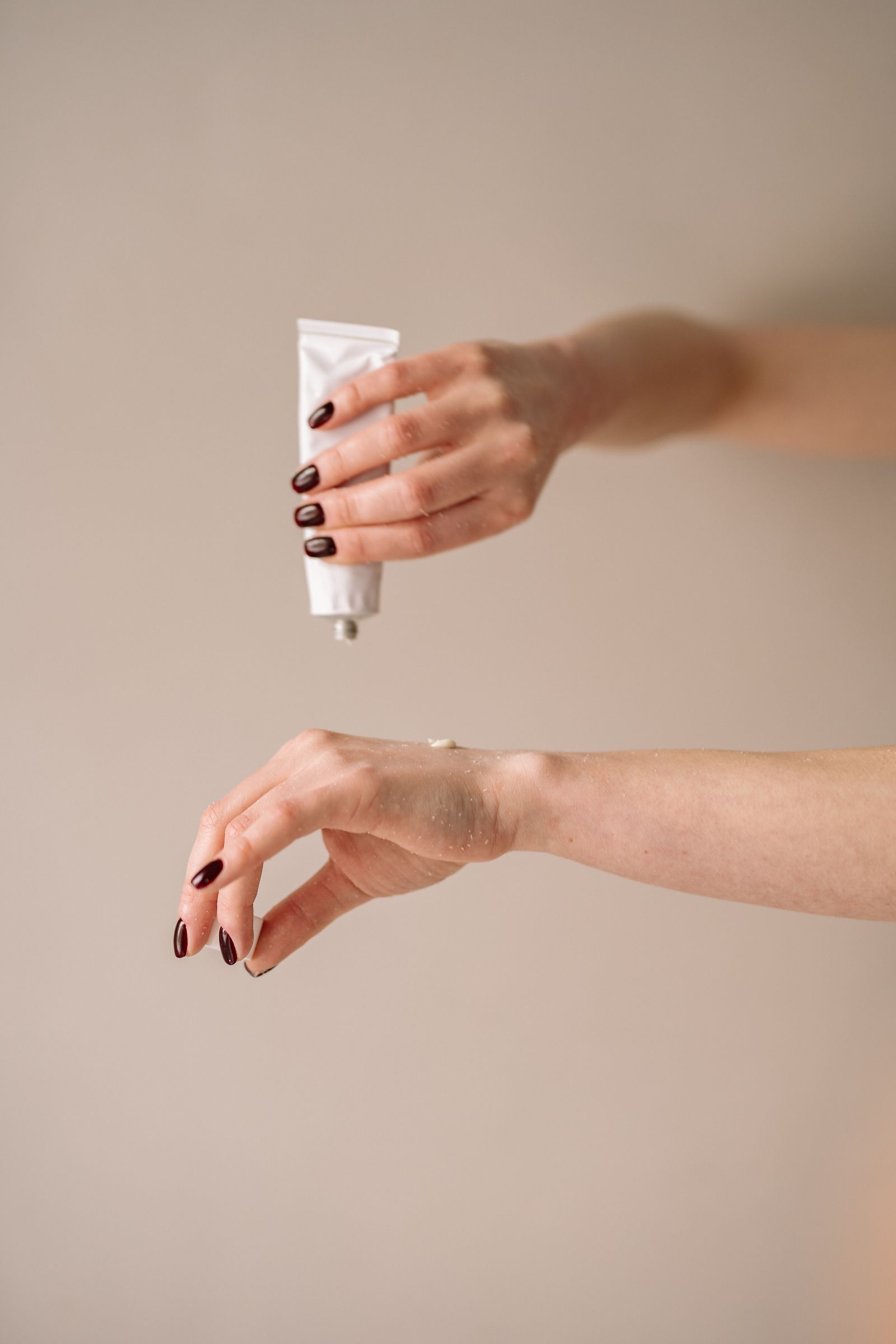
Consider where you apply the product, too. A face cream, body lotion, and hand cream may have different labeling and packaging for their intended roles. Read that information rather than treating every moisturizing product as interchangeable. If one product legitimately covers several needs for you, simplicity can be a sensible advantage.
Let packaging solve a real inconvenience
A pump can be helpful on a busy counter, a tube can be easier to pack, and a jar may make it simple to see how much is left. None of those formats guarantees a superior formula. Choose the one that works with your space and habits, then follow the storage and hygiene directions provided by the manufacturer.
For a shared household, think about whether each person needs a separate product and how the container will be handled. For travel, check the closure and keep the original label information accessible. A beautifully weighted glass jar can feel lovely at home but become a less appealing choice when you are trying to keep a carry-on light.
Calculate value after establishing fit
Divide the price by the amount in the container when comparing similar options, but do not stop there. A large discounted bottle is poor value if you do not like using it. For a new formula, a smaller size may be the more careful purchase. Once the product is familiar, larger sizes or refills can make more financial sense.
Keep notes about the context in which a moisturizer works for you. A texture you enjoy on quiet evenings may be too rich beneath your usual base, while a convenient daytime option may not be the one you choose for a dry winter night. You are allowed to prefer different experiences without building an overflowing collection.
Before you buy
- Name the texture and finish you prefer.
- Check intended use and fragrance information.
- Consider sunscreen and makeup compatibility.
- Buy a familiar formula in bulk only when you will use it.
Continue your research
These official-brand starting points are for browsing the relevant category. Compare the current details against your checklist; inclusion is not a claim that every item suits you.
Explore CeraVe skincare ↗Explore La Roche-Posay skincare ↗Non-affiliate links. Prices, ingredients, stock and terms are set by the merchant. Check the current product page and label.
Your questions, considered
Does a richer cream mean better skincare?
Richness is a texture characteristic, not a universal quality score. Choose for your needs, product directions, and comfort.
Should I replace moisturizer every season?
Only if your needs or preferences change. Keep a product that still works for you rather than replacing it solely because a seasonal collection has launched.
Sources & further reading
Prepared October 27, 2026. Sources support general background; the shopping judgments are editorial. For persistent symptoms or individual health advice, consult a qualified clinician.
Something to clarify? Send a correction or a question. Read our editorial standards.